

Introduction: The Truth About Steel and Mould Life
You can have the most advanced design and perfect geometry, but if the steel is soft, your mould is practically on a countdown timer.
For any professional injection moulding company, steel selection is the very first and most critical engineering decision. Whether you’re manufacturing a high-speed plastic cap mould or a large household plastic product mould, the type of steel used directly impacts cycle time, surface finish, durability, and ultimately your ROI.
A high-quality plastic injection mould starts not with design—but with the right metal.
Matching Steel to the Mission
Different Grades for Different Demands
Experienced precision mould makers understand that no single steel fits all applications. Each project demands a specific grade based on production volume, material type, and performance expectations.
P20 Steel: The Workhorse
P20 is one of the most commonly used steels in mould manufacturing.
Best suited for:
- Household plastic product moulds
- Medium to high-volume production
Advantages:
- Cost-effective solution
- Good machinability
- Decent surface finish
It offers the perfect balance between performance and affordability, making it ideal for large consumer products.
H13 Steel: The Tough Performer
H13 is designed for extreme conditions.
Best suited for:
- High-temperature applications
- Long production runs requiring durability
Advantages:
- Excellent wear resistance
- High thermal stability
- Longer mould life under stress
This makes H13 a preferred choice for demanding industrial moulds.
S136 / Stainless Steel: The Mirror Finish Expert
When clarity and corrosion resistance are critical, nothing beats S136.
Best suited for:
- PET preform mould
- Transparent or medical-grade products
Advantages:
- Superior polishability for mirror finish
- High corrosion resistance
- Excellent dimensional stability
For any application requiring visual perfection and hygiene, this steel is non-negotiable.
Product-Specific Metallurgy: Why Your Cap Mould Needs Better Steel
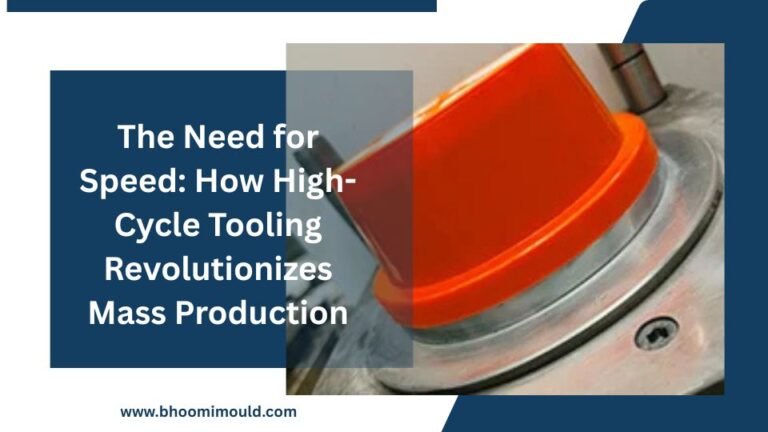
Not all moulds operate under the same conditions. A plastic cap mould, for example, undergoes millions of rapid opening and closing cycles.
If the steel isn’t properly hardened:
- Threads wear down quickly
- Sealing performance drops
- Product leakage becomes inevitable
This is why leading plastic mould suppliers in India use advanced processes like vacuum heat treatment.
This ensures:
- Uniform hardness throughout the steel
- Better resistance to wear and deformation
- Longer tool life even in high-speed environments
For high-performance applications, metallurgy isn’t just important—it’s everything.
The Hidden Cost of “Soft” Steel
Here’s a simple truth:
Saving 10% on steel today often leads to spending 200% on repairs tomorrow.
Low-cost or poorly treated steel in a plastic injection mould can lead to:
- Surface pitting
- Parting line wear
- Flash formation
- Frequent maintenance and downtime
These issues not only increase costs but also affect product quality and brand reputation.
A “cheap” mould isn’t cheap—it’s expensive in the long run.
Conclusion: Precision Starts with the Right Material
In mould manufacturing, everything begins with the steel. The right grade ensures durability, precision, and consistent production over millions of cycles.
Choosing the right injection moulding company means partnering with experts who understand the science behind steel selection and apply it to deliver long-lasting, high-performance moulds.
Looking for an injection moulding company that understands global quality standards? Contact the experts at Bhoomi Mould today to see how we can optimize your production with a custom plastic injection mould designed for excellence.