

Introduction
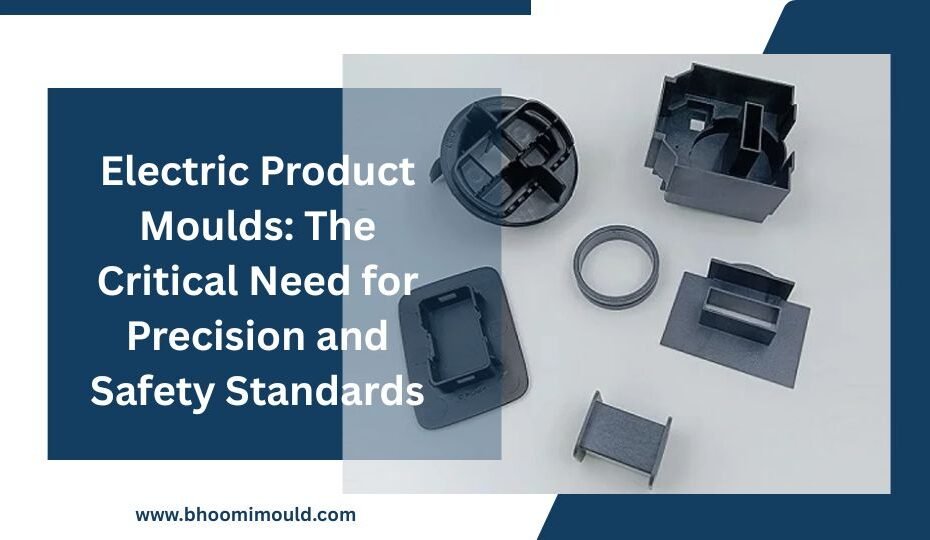
Plastic electrical components such as switches, casings, and connectors are crucial for user safety. Any flaw in these parts can lead to fire hazards, malfunctions, or compliance failures. The foundation of these components lies in electric product moulds, which must ensure both precision and adherence to safety standards. Choosing a high-quality mould is the first step toward producing reliable and compliant electrical products. This guide will explore the unique requirements of electric product moulds, highlighting the engineering precision needed to maintain safety and performance in the electrical sector.
Two Non-Negotiable Requirements
Precision and Tight Tolerances
Electrical components demand micrometer-level accuracy. Even minor deviations can cause assembly issues, loose connections, or operational failures. Electric product moulds must be engineered with high-precision CNC machining, meticulous cavity alignment, and strict dimensional control to ensure that every part fits perfectly and functions reliably.
Material Compatibility and Safety Standards
Plastics used in electrical components must often be flame-retardant and capable of withstanding high temperatures. The electric product mould must be designed to handle these materials without degrading their safety properties. Proper thermal management, gating, and cooling systems are critical to maintaining the integrity of flame-retardant plastics and ensuring compliance with international safety standards.
Key Design Features for Electric Moulds
Gate Location and Flow Simulation
Intricate electrical component shapes require precise gate placement and advanced flow simulation to ensure uniform filling. This prevents voids, weak points, and defects that could compromise safety.
Ejection System Design
Sensitive plastic parts need a gentle yet consistent ejection system to avoid stress marks, warping, or damage. Well-designed ejector pins and mechanisms maintain part quality throughout high-volume production.
Insert Moulding (if applicable)
For components that integrate metal contacts or inserts, the mould must allow perfect alignment and overmolding without shifting or damaging the insert. Precision is critical to maintain electrical conductivity and safety.
Your Role as a Trusted Manufacturer
Only a specialized electric product mould manufacturer with experience in safety-critical components can guarantee compliance and quality. Our expertise ensures that each mould is engineered for both tight tolerances and material-specific requirements, delivering products that meet industry standards and provide long-term reliability.
Conclusion and Call-to-Action
Investing in a high-quality electric product mould is an investment in safety, compliance, and reliability. Precision engineering and proper material handling ensure that every electrical component performs flawlessly.
Ready to ensure your electrical components are built to the highest standards of safety and precision? Contact our specialized team today for a consultation.